

Road Tax Increases in the UK Set for April 2026

The UK government has announced a significant increase in road tax rates starting April 2026. This change will affect millions of vehicle owners across the country, raising questions about how it will influence daily commuting costs, business operations, and the broader economy. Understanding these changes is essential for drivers, fleet managers, and anyone who relies on road transport. This article breaks down the upcoming road tax increases, explains why they are happening, and explores practical steps to prepare for the new costs.
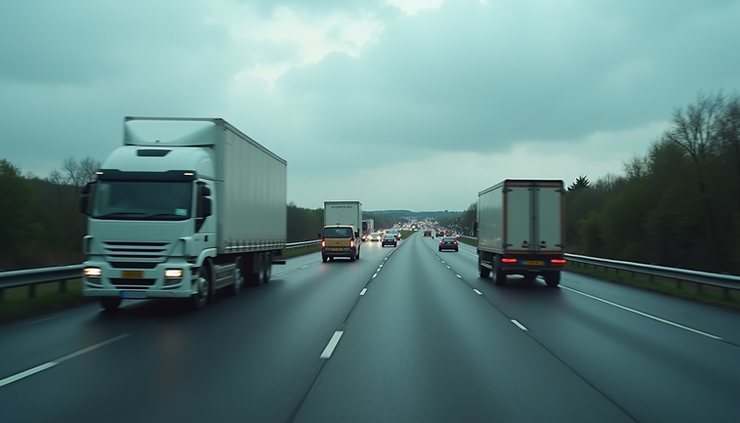
What Are the New Road Tax Changes?
From April 2026, the UK government will increase Vehicle Excise Duty (VED), commonly known as road tax, across most vehicle categories. The rise is part of a broader effort to fund infrastructure improvements and encourage cleaner vehicle use. Key points include:
Higher rates for petrol and diesel vehicles: The tax on traditional fuel vehicles will increase by an average of 15% compared to 2025 rates.
Electric vehicles (EVs) will face new charges: For the first time, many electric cars will no longer be exempt from road tax, with a flat fee introduced.
Increased charges for heavier vehicles: Vans, trucks, and other commercial vehicles will see steeper hikes, reflecting their greater road impact.
Band restructuring: Some tax bands will be adjusted, affecting how much owners pay based on emissions and vehicle type.
These changes mark a shift in government policy, aiming to balance environmental goals with the need to maintain road networks.
Why Is the Government Increasing Road Tax?
The government cites several reasons for the increase:
Funding road maintenance and upgrades: The UK’s road infrastructure requires significant investment to repair wear and tear and support future transport needs.
Encouraging cleaner transport: By adjusting tax rates, the government hopes to nudge drivers toward low-emission vehicles.
Addressing budget shortfalls: Rising costs in public services and infrastructure demand new revenue sources.
Aligning with environmental targets: The UK aims to reduce carbon emissions by 78% by 2035, and transport is a major contributor.
The tax increase is part of a broader strategy to ensure sustainable funding while promoting greener transport options.
How Much Will Drivers Pay?
The exact amount depends on vehicle type, emissions, and usage. Here are some examples based on government projections:
Petrol cars emitting 121-150 g/km CO2: Road tax will rise from £165 to approximately £190 annually.
Diesel cars in the same band: Increase from £190 to around £220.
Electric vehicles: A new flat fee of £50 per year will apply, ending the previous exemption.
Light commercial vehicles (vans up to 3.5 tonnes): Charges will increase by about 20%, adding roughly £40 to annual costs.
Heavy goods vehicles: Depending on weight and emissions, increases could reach several hundred pounds.
These figures illustrate how the tax hike will affect different vehicle owners.
Who Will Be Most Affected?
Certain groups will feel the impact more strongly:
Commuters with older petrol or diesel cars: Higher tax bands mean increased annual costs.
Small business owners with commercial fleets: Rising charges for vans and trucks will add to operating expenses.
Electric vehicle owners: While the new fee is modest, it ends a financial advantage EV owners previously enjoyed.
Low-income households: Those relying on older vehicles may face financial strain due to higher taxes.
Understanding who is most affected helps in planning and budgeting for the future.
What Are the Environmental Implications?
The tax changes aim to support the UK’s environmental goals by:
Discouraging high-emission vehicles: Higher taxes on polluting cars encourage switching to cleaner models.
Generating funds for green infrastructure: Revenue will help build charging stations and improve public transport.
Promoting electric vehicle adoption: Although EVs will pay a fee, the government expects overall savings from lower emissions and fuel costs.
While the tax increase may seem burdensome, it supports a long-term shift toward sustainable transport.
How Can Drivers Prepare for the Increase?
Vehicle owners can take several steps to manage the impact:
Consider upgrading to low-emission vehicles: Hybrid or electric cars may reduce overall costs despite the new fees.
Review vehicle usage: Carpooling, public transport, or remote work can lower mileage and tax liability.
Budget for higher costs: Planning ahead helps avoid surprises when the new rates take effect.
Check eligibility for exemptions or discounts: Some vehicles and drivers may qualify for reduced charges.
Stay informed about government updates: Policies may evolve, so keeping up to date is important.
Proactive planning can ease the financial burden of the tax rise.
Impact on Businesses and the Economy
The road tax increase will ripple through the economy:
Higher operating costs for logistics and delivery firms: Increased vehicle taxes add to expenses, potentially raising prices for goods.
Pressure on small businesses: Firms with limited budgets may struggle with added costs.
Potential boost for the green vehicle market: Demand for electric and hybrid vehicles is likely to grow.
Government revenue increase: Additional funds can support infrastructure projects, creating jobs and improving transport efficiency.
Businesses should assess their fleets and consider greener alternatives to stay competitive.
What Are the Alternatives to Paying Higher Road Tax?
Drivers looking to reduce their tax burden might explore:
Switching to electric or hybrid vehicles: Lower emissions often mean lower taxes.
Using public transport: Reduces reliance on taxed vehicles.
Car sharing or ride-hailing services: Can cut individual costs.
Cycling or walking for short trips: Zero tax and health benefits.
Applying for tax relief schemes: Some drivers qualify for discounts based on disability or low income.
These options can help reduce the financial impact of the tax increase.
It's not too late to change your car. Speak to the team at Hawkstone Motor Finance to explore your options on 01656 47 00 66.


Comments